The Rise of Forex Trading in Malaysia
Forex trading has gained immense popularity in Malaysia over the past few years. With the increasing accessibility of trading platforms and resources, more Malaysians are taking an interest in foreign exchange markets. forex trading malaysia Forex Brokers in Côte d’Ivoire are also expanding their reach to serve clients worldwide, including Malaysia. This article will provide an in-depth overview of Forex trading in Malaysia, covering regulations, trading strategies, and tips for beginners.
Understanding Forex Trading
Forex trading, also known as foreign exchange trading, involves the buying and selling of currency pairs. Traders aim to profit from fluctuations in exchange rates between currencies. For instance, if you believe that the Euro will strengthen against the US Dollar, you would buy the EUR/USD pair. If the Euro does indeed appreciate, you can sell the pair for a profit.
Why Trade Forex?
Forex trading offers several advantages compared to other forms of investing. Some of these benefits include:
- High Liquidity: The Forex market is the largest financial market in the world, with a daily trading volume exceeding $6 trillion. This liquidity allows traders to enter and exit positions with ease.
- 24/5 Market Availability: The Forex market operates 24 hours a day, five days a week, providing traders with flexibility to trade at any time that suits them.
- Leverage: Many brokers offer leverage, allowing traders to control larger positions with a smaller amount of capital. However, this also increases risk, which must be managed carefully.
- Diverse Trading Opportunities: With a variety of currency pairs available, traders can capitalize on movements in different economies and geopolitical events.
Regulations Governing Forex Trading in Malaysia
In Malaysia, Forex trading is regulated by the Securities Commission Malaysia (SC) and Bank Negara Malaysia (BNM). It is essential for traders to ensure that they choose regulated brokers to avoid scams and operate within the law.
Forex brokers operating in Malaysia must comply with strict guidelines to protect investors. They are required to hold licenses and follow regulations that ensure transparency, security, and fairness in trading. Traders should conduct thorough research before selecting a broker, verifying its regulatory status and reputation in the industry.
Choosing a Forex Broker
When selecting a Forex broker in Malaysia, several factors should be considered:

- Regulation: Ensure the broker is regulated by a recognized authority, such as the Securities Commission Malaysia.
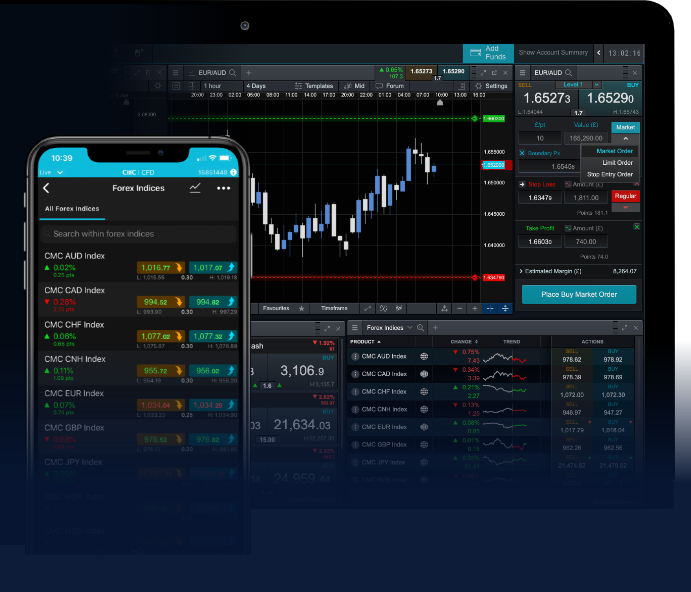
- Trading Platform: Look for user-friendly platforms that provide access to advanced trading tools and resources.
- Spreads and Fees: Compare spreads and trading fees among different brokers to find the most cost-effective option.
- Customer Support: Effective customer service can be crucial, especially for beginners who may require assistance.
Developing a Trading Strategy
Having a solid trading strategy is essential for success in Forex trading. Here are some common strategies that traders in Malaysia often use:
- Scalping: This strategy involves making numerous small trades throughout the day to accumulate profits from minimal price changes. Scalpers often rely on technical analysis to make quick decisions.
- Day Trading: Day traders open and close positions within the same trading day to avoid overnight risks. This strategy requires significant market monitoring and fast decision-making skills.
- Swing Trading: Swing traders aim to capture short to medium-term price movements over several days or weeks. This strategy relies on both technical and fundamental analysis to identify potential price swings.
- Position Trading: This long-term strategy focuses on taking positions based on macroeconomic trends. Position traders hold their assets for weeks, months, or even years, making fewer trades overall.
Effective Risk Management
Risk management is vital in Forex trading, especially given the high volatility that can occur in currency markets. Some common risk management techniques include:
- Setting Stop-Loss Orders: Stop-loss orders automatically close a trade when it reaches a predetermined price, limiting potential losses.
- Diversification: Don’t put all your capital into one currency pair. Diversifying your portfolio can reduce overall risk.
- Using Leverage Wisely: While leverage can amplify profits, it can also magnify losses. Adjust your leverage according to your risk tolerance and experience level.
Getting Started with Forex Trading
For beginners looking to start Forex trading in Malaysia, here are some steps to get you underway:
- Educate Yourself: Take the time to learn about currency markets, technical analysis, and trading strategies. Numerous online resources and courses are available.
- Open a Demo Account: Most brokers offer demo accounts that allow you to practice trading with virtual funds, which is an excellent way to develop your skills without financial risk.
- Start with a Small Capital: When you are ready to trade with real money, start with a small amount to minimize risk until you gain more experience.
- Keep a Trading Journal: Document your trades, strategies, and outcomes. A trading journal can help you identify strengths and weaknesses in your trading approach.
Conclusion
Forex trading in Malaysia offers a plethora of opportunities for both new and experienced traders. By understanding the regulations, choosing a reputable broker, developing a strong trading strategy, and implementing effective risk management, you can position yourself for success in the Forex market. Approach your trading journey with a commitment to continuous learning and adaptability to shifting market conditions. With determination and the right knowledge, Forex trading can be a profitable endeavor.